

Simple At-Home Stretching Routines for Young Dancers
At-Home Dance Stretches to Support Young Dancers
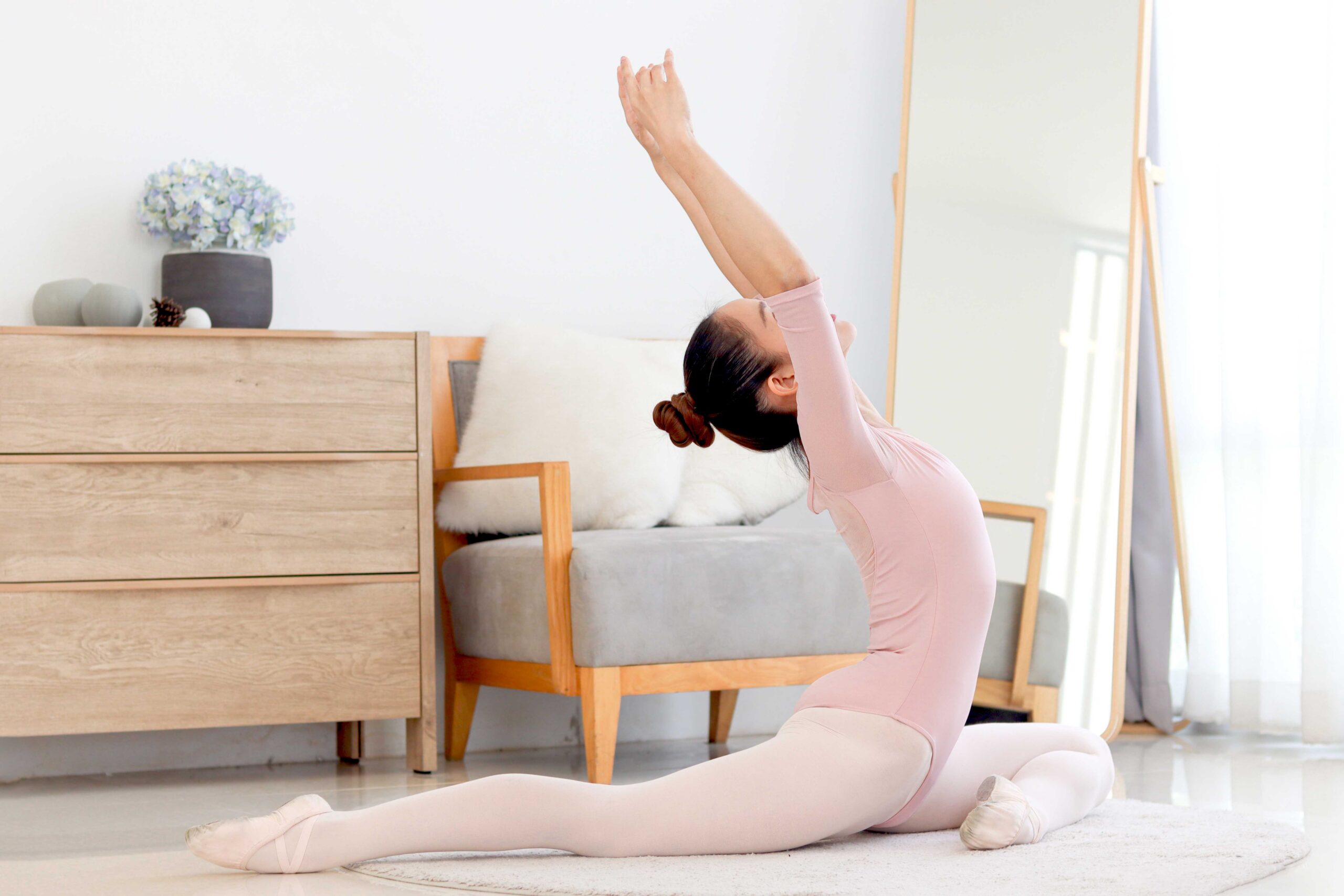
At-home dance stretches can play a key role in helping young dancers improve flexibility, boost confidence, and prevent injury—even without access to a full dance studio. Starting simple stretching routines at home allows kids to build healthy habits that enhance their technique and love for movement. At NorthPointe Dance Academy, where we nurture excellence, creativity, and personal growth, we believe in encouraging consistent movement practices outside the studio. Regular stretching at home empowers young dancers to take initiative in their dance journey while having fun.
Why At-Home Dance Stretches Make a Difference
Flexibility and mobility are essential for dance, enabling graceful execution of movements and safer transitions between skills. Implementing consistent at-home dance stretches can help students maintain progress between classes and support long-term growth. Whether a dancer is on a recreational or competitive track, stretching helps strengthen the mind-body connection, improve posture, and build self-discipline.
Parents often ask whether stretching at home is beneficial or safe. The answer is a confident “yes”—when done mindfully and age-appropriately. Even five minutes of stretching in a quiet space can offer physical and emotional benefits, while creating bonding time between parent and child. Simple, consistent routines are best and can be adapted as your dancer grows.
Fun and Safe Stretching Tips for Young Dancers
Preschool and young elementary students—especially those in NorthPointe’s preschool creative movement or beginner tap and ballet classes—respond well to playful stretching routines. Keep the movements interactive and lighthearted to mirror the fun they have in class.
- Butterfly Stretch: With knees bent and feet together, let knees drop gently to the sides. Flap the “wings” and reach overhead, encouraging proper posture.
- Reach for the Stars: Stand tall, stretch arms up high, and lift onto tiptoes. Fold forward to touch the toes or ground, promoting balance and awareness.
- Animal Stretches: Arch like a cat or stretch like a puppy waking up. These mimic real warm-ups in an engaging way.
Parent tips: Use calm music and let your child guide the pace once familiar with the moves. Keep sessions short—about 5 minutes—and always encourage gentle stretching rather than pushing for flexibility. This helps prevent strain on growing muscles and joints.
Effective Stretches for Elementary and Tween Dancers
As dancers progress into elementary school and tween years, stretching becomes a vital tool for improving technique and preventing injuries. At this stage, muscles need more focused lengthening, especially after active technique classes. NorthPointe instructors often recommend dancers complement class work with regular stretching at home.
- Hamstring Stretch: Lie on your back and lift one leg, holding behind the thigh or calf. Use a strap or towel if needed. Switch sides after 20–30 seconds.
- Lunge and Hip Opener: From a lunge position, allow the hips to gently ease forward. Add arm reaches for an added full-body effect.
- Frog Stretch: On a soft surface, spread knees wide while resting on forearms. This promotes middle-split flexibility over time.
- Calf Stretch: Stand near a wall and press one heel into the floor behind you. Hold, then switch legs.
For best results, try these stretches after a warm shower when muscles are already relaxed. Dancers involved in multiple weekly classes, including NorthPointe’s Level I and performance team programs, benefit from stretching 10–15 minutes, three to four times a week.
Building a Positive At-Home Stretching Routine
Consistency and enjoyment are key to a successful at-home dance stretching habit. When dancers see stretching as part of their daily rhythm—rather than a chore—they’re more likely to commit and improve over time. At NorthPointe Dance Academy, we encourage dancers to treat stretching as a form of self-care that helps them perform their best and feel confident.
- Establish a space: Use a yoga mat in a distraction-free area to cue calm and focus.
- Pair it with a routine: Stretch after brushing teeth or before bed. Add calming music to set the mood.
- Involve the family: Invite your child to demonstrate stretches learned in class. This builds motivation and ownership.
- Celebrate achievements: Take stretching progress photos or track milestones in a journal to recognize and celebrate dedication.
Even just a few calm minutes a day can reinforce your child’s love of dance. Stretching builds confidence and supports muscle development—both important as dancers continue their training at NorthPointe Dance Academy and beyond.
Supporting Dancers Beyond the Studio
At NorthPointe Dance Academy in Lewis Center, Ohio, we know that growth happens everywhere—not just in the studio. At-home dance stretches help dancers stay motivated, improve their performance, and feel prepared for everything from weekly classes to spring recitals and team showcases. Supporting your dancer with safe, age-appropriate movement routines at home makes a real difference in their journey.
If you ever have questions about your child’s technique, flexibility, or stretching practices, our team is here to help. From preschool to pre-professional levels, we are committed to guiding every student with care. Together, we can cultivate passion, excellence, and resilience both on stage and off.
To learn more about our current dance class offerings in ballet, jazz, tap, hip-hop, and pre-professional programs, visit northpointedance.com.