


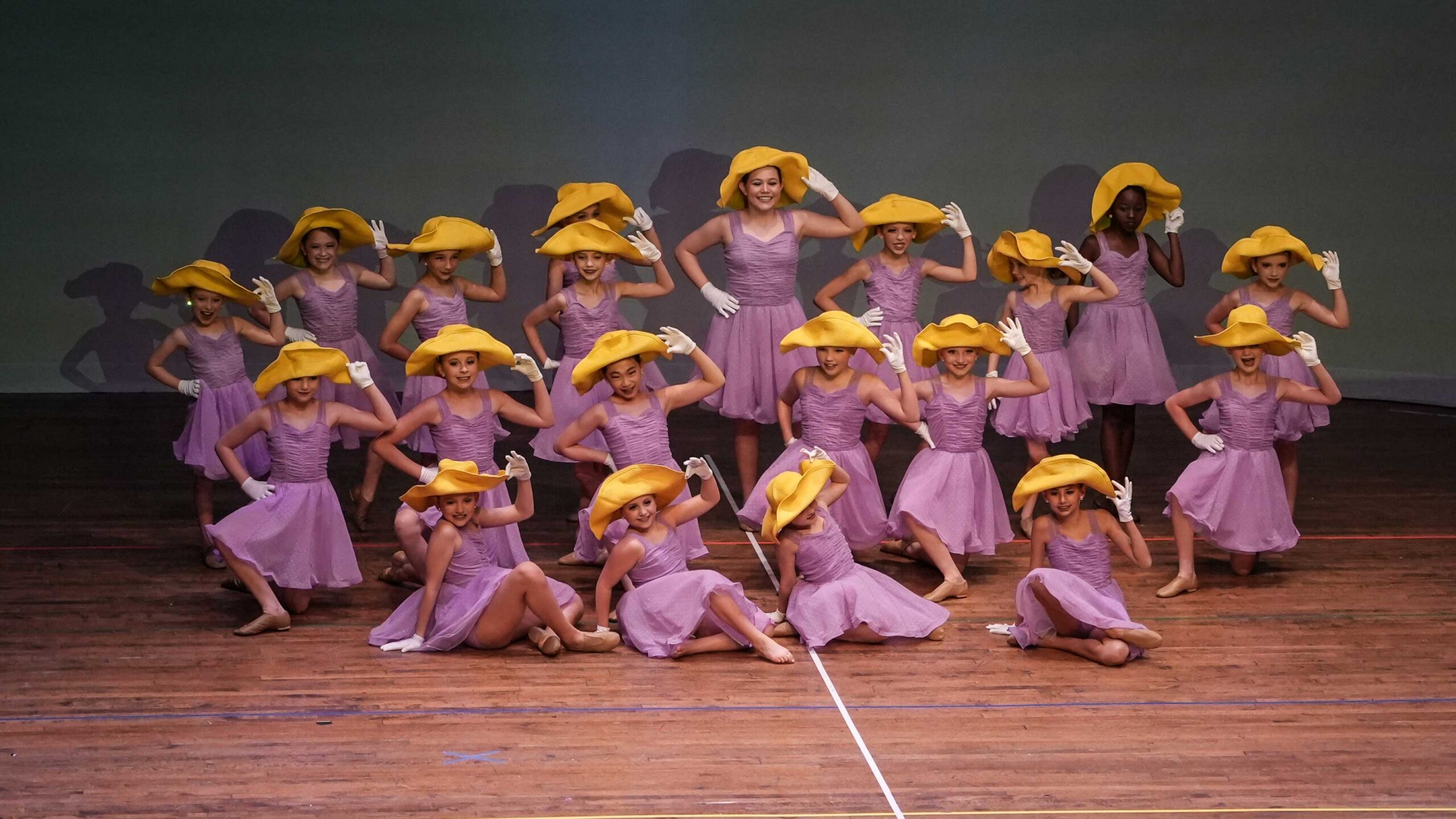
Understanding Dance Competition Scoring: What Judges Look For
Dance Competition Scoring Tips: What Judges Look For
Dance competition scoring tips can make a significant difference in how dancers prepare and perform at events. For students at NorthPointe Dance Academy, competitions bring training to life and provide exciting opportunities to grow. For parents, understanding how judges evaluate performances adds clarity and enriches the experience. This guide uncovers the key areas judges score, shares practical advice, and highlights how NorthPointe helps dancers excel on stage.
The Key Elements Behind Every Dance Score
Although score sheets may vary slightly by competition, most use similar criteria to assess performances. Judges typically evaluate dancers on technical execution, performance quality, choreography, musicality, and overall presentation. They often use a points-based system and provide either written or audio feedback for growth. Below are the core scoring components to understand:
- Technique: Proper alignment, posture, clean execution, extension, and control. Judges look closely at footwork, balance, flexibility, and pointed toes.
- Performance: Emotional projection, facial expression, and stage presence. Dancers should connect deeply with the music and engage the audience.
- Choreography: Judges assess originality, musicality, spacing, and whether the choreography complements the dancers’ skill levels.
- Presentation and Appearance: Judges look for age-appropriate costumes, neat grooming, and a polished, professional demeanor.
- Timing and Musicality: Synchronization with music, awareness of phrasing, and rhythm accuracy all contribute to a strong score.
At NorthPointe Dance Academy, each of these areas is addressed in regular classes and rehearsals, providing dancers with a solid and balanced foundation that competitions reward.
Technique: The Foundation of High Scores
Strong technique is one of the most important dance competition scoring tips. Judges often focus on body placement, clean transitions, and mastery of core movements. Details like straight legs, pointed toes, and graceful hands separate scores by tenths of a point at advanced levels.
NorthPointe Dance Academy in Lewis Center places great emphasis on technical training from an early age. Our dancers build strength, placement, and muscle memory through progressive instruction, starting in preschool classes and advancing through competitive and pre-professional programs. This consistent technical focus prepares students to perform confidently and precisely when it counts most.
Parents may see their dancers repeat battements or pliés for weeks—but those repetitions matter. When a dancer performs on stage, those technical habits shine and get noticed by judges.
Emotional Performance and Storytelling
Technical skill impresses judges, but emotional delivery captivates them. One of the most frequently repeated dance competition scoring tips from adjudicators is: “Make me feel something!” Dancers who show authentic emotion and connect with the story of the music score higher in performance categories.
At NorthPointe, expressive movement is a fundamental part of every dancer’s training. Instructors guide students in exploring emotional content and translating character into movement. Whether they’re performing a joyful tap number or an emotional lyrical duet, dancers learn how to tell stories through body language and dynamic presence.
At home, parents can help by discussing the intent behind each routine. Questions like “What’s the character feeling in this part?” or “What story are you telling?” shape a dancer’s mindset and help them grow as expressive performers.
Choreography and Age-Level Appropriateness
Another important dance competition scoring tip: Not all points come from the dancer’s execution—choreography matters, too. Judges evaluate whether a routine is interesting, age-appropriate, and complementary to the dancers’ abilities. Overly complex routines that are sloppy won’t score as well as clean, well-suited choreography.
At NorthPointe Dance Academy, choreographers consider both age and skill level when designing competitive routines. The result is a routine that showcases the dancer’s strength while allowing for storytelling, musicality, and group cohesion. Simple does not mean easy; oftentimes, a well-paced number allows for better execution and higher scores.
Parents might find a routine “simple” from the audience perspective, but the goal is performance quality—not just complexity. Judges reward thoughtful, polished execution over forced difficulty.
Precision, Timing, and Group Execution
In group categories, timing and precision are key metrics that affect the final score. Even one dancer slightly off counts. Judges watch spacing, synchronization, and shared energy closely.
That’s why at NorthPointe, group rehearsals emphasize ensemble work. Students learn to match timing, mirror movements, and adjust spatial awareness to remain cohesive with their team. Dancers are trained to perform as both individuals and collaborators—an essential skill for strong group scores.
Practicing in unison improves both stage presence and overall musicality, helping dancers build the timing skills needed to shine in ensemble numbers across genres.
Top Parent Questions About Dance Competition Scoring
New to competitive dance? Parents often have questions, especially when scores don’t reflect what was seen on stage. Here are answers to some common queries—and important dance competition scoring tips every family should know:
- Why didn’t my child place if they danced beautifully? Many factors play into scoring, including technique, musicality, and whether the choreography aligned with the dancer’s level. Placements often vary depending on the competition’s scoring system and comparison with others in a category.
- Are all scoring systems the same? No. Some competitions use a 100-point scale; others rely on color-coded levels or rankings like “Platinum” or “High Gold.” Always check the specific competition’s program to understand placements and point breakdowns.
- Should we care more about scores or feedback? Focus on feedback. Even top-scoring routines have room to grow, and detailed judge commentary provides opportunities to improve artistry, technique, or connection with the audience. At NorthPointe, instructors review judges’ notes with dancers to help them grow with guidance and encouragement.
Building Confident, Thriving Dancers
Understanding dance competition scoring tips equips parents with the tools to better support their dancers—not just in winning, but in growing. At NorthPointe Dance Academy, our focus extends beyond trophies. We emphasize strong fundamentals, personal excellence, emotional expression, and teamwork.
Ultimately, judges are looking for dancers who are confident, committed, and expressive. Whether your child is performing a solo or part of an ensemble, every performance is a chance to showcase their progress, passion, and joy. That’s true success—and at NorthPointe, it’s what we celebrate most.
When parents and dancers understand how scoring works, competitions become opportunities to improve and shine, rather than solely to win. With intentional training, positive feedback, and the right mindset, every dancer has the ability to leave a lasting impression on stage.