

The Difference Between Recreational Dance and Competitive Dance
Recreational vs Competitive Dance: Understanding the Differences
When parents and families start exploring the world of dance education, a pivotal choice they’ll encounter is selecting between recreational vs competitive dance. At NorthPointe Dance Academy, we recognize the nuances involved in this decision, as both paths offer unique benefits and challenges suited to different interests and goals. With our commitment to nurturing emotional growth, fostering community connections, and promoting artistic excellence, we aim to guide you through understanding the key aspects of recreational vs competitive dance.
Recreational Dance: Embracing Joy and Exploration
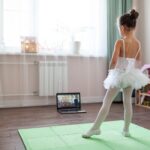
Recreational dance focuses on introducing students to the art and joy of dance in a relaxed, encouraging environment. At NorthPointe Dance Academy, our recreational dance classes nurture a love for movement while promoting physical fitness and social interaction. This path is ideal for students who want to explore dance without the pressures of competition and who value the social, expressive, and creative outlets dance provides.
Typically scheduled once or twice a week, recreational dance classes offer flexibility that fits easily into family life and other commitments. Students are encouraged to experience various dance styles, from ballet to jazz to hip-hop, allowing them to discover their personal passions and interests. Through recreational dance, children learn crucial skills such as cooperation, discipline, and self-expression, all in a supportive, low-pressure setting.
Competitive Dance: Cultivating Skill and Discipline
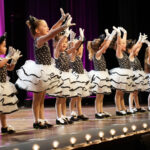
Competitive dance offers a structured and rigorous approach to dance education, designed for those who aspire to refine their technical skills and experience the thrill of performance competition. NorthPointe Dance Academy’s competitive dance program pushes students to excel, fostering an environment where discipline, teamwork, and dedication are paramount. This path suits students with a strong commitment to dance and a desire to pursue it at a higher level.
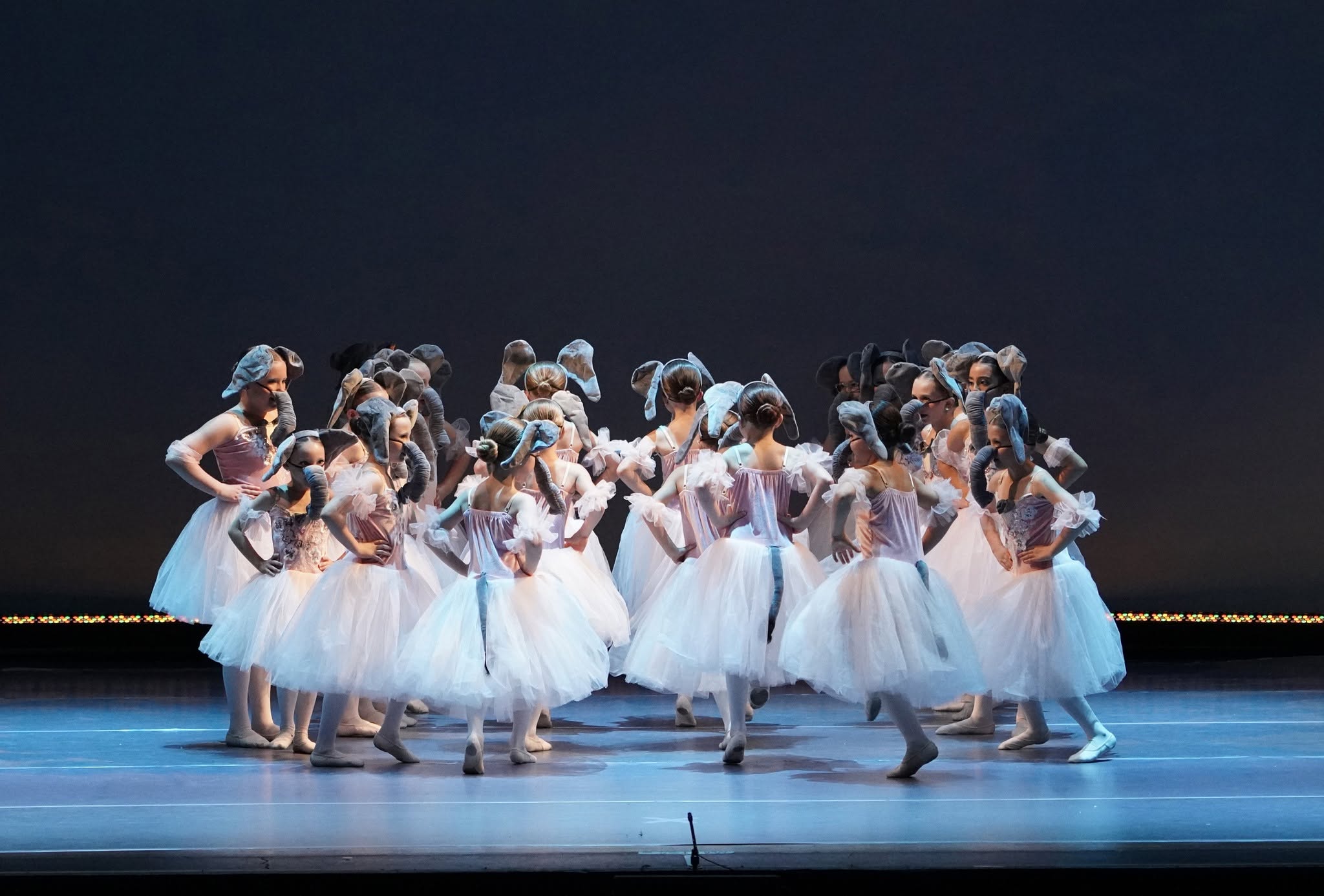
Participants in competitive dance classes typically train multiple times a week, engaging in focused technical training and choreography sessions. This path requires a greater commitment of time and effort, but the rewards are immense. Students have opportunities to compete at regional and national levels and develop resilience, confidence, and leadership skills. Competitive dance also builds a strong sense of camaraderie among team members, who work together towards shared goals.
Choosing the Right Path for Your Child
Deciding between recreational vs competitive dance can be challenging, but understanding your child’s interests, goals, and commitment levels is key. NorthPointe Dance Academy encourages open communication between parents, students, and instructors to ensure the chosen path aligns with the student’s personal development and aspirations.
Some children thrive in the exploratory nature of recreational dance, finding joy in the variety and creative freedom it offers. Others may be drawn to the structure and achievement-oriented focus of competitive dance. There’s no one-size-fits-all answer, and many students succeed in transitioning from recreational to competitive dance as they progress in skills and passion.
The NorthPointe Dance Academy Approach
At NorthPointe Dance Academy, we pride ourselves on providing exceptional training and a nurturing environment for both recreational and competitive dancers. Our experienced instructors inspire each student to achieve their personal best, whether that means exploring the joy of movement or excelling in competitive arenas. We aim to instill confidence, creativity, and a lifelong love of dance in every student, ensuring a fulfilling and enriching dance education.
Whether your child chooses recreational or competitive dance, rest assured that their growth and development are at the heart of our mission at NorthPointe Dance Academy. We invite you to join our community and discover the transformative power of dance.