

Understanding Acro vs. Gymnastics: What Makes Acro a Dance Style
Understanding Acro vs. Gymnastics: What Makes Acro a Dance Style
As parents consider engaging their children in physical and artistic activities, the distinctions between acro vs gymnastics often arise. These disciplines both involve dynamic body expression, but understanding acro’s unique aspects as a dance style can guide decisions about a child’s training. At NorthPointe Dance Academy, we embrace these differences, leveraging each style’s strengths to foster not only physical prowess but also emotional growth and creativity.
Defining the Artistry: Acro as a Dance Style
Acro, short for acrobatics, merges classical dance techniques with acrobatic elements to create a visually stunning form. In contrast to gymnastics, which emphasizes athleticism and technical skill within prescribed routines, acro enhances storytelling through movement. At NorthPointe Dance Academy, acro is integrated into our curriculum to provide students with a comprehensive approach combining physical dexterity and expressive artistry.
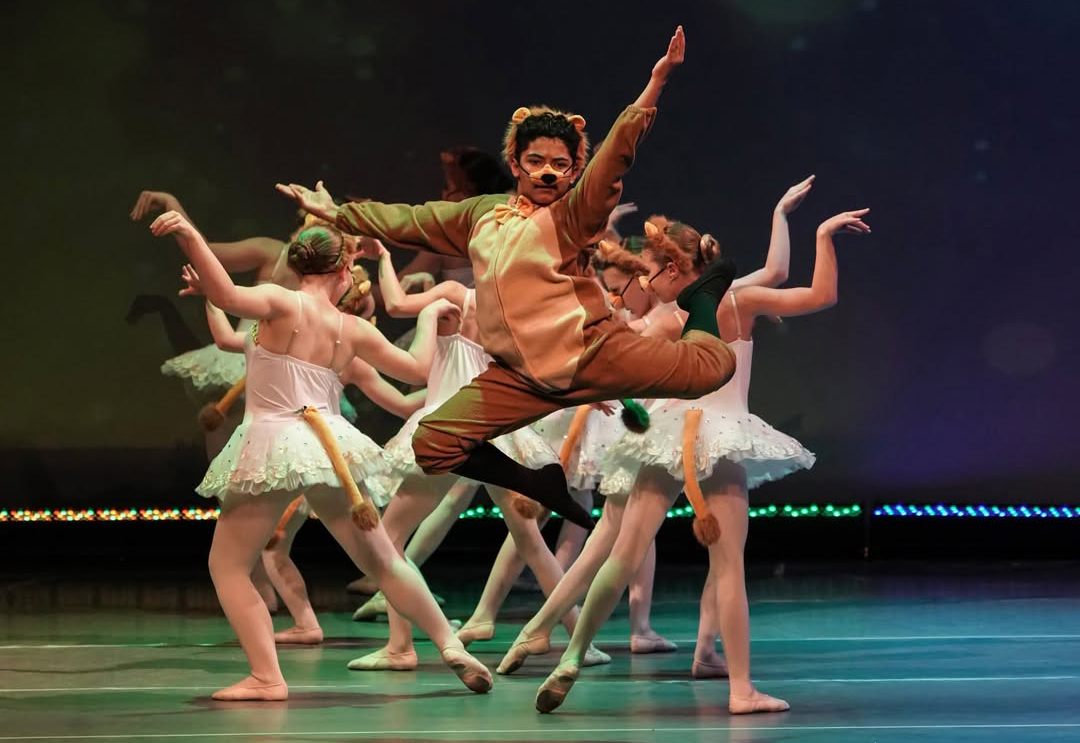
In acro, dancers execute intricate balances, lifts, and tumbling skills fluidly interspersed with dance choreography. This seamless integration ensures that acro elements support the narrative and emotional content, distinct from the sport-focused routines typical of gymnastics competitions. At NorthPointe Dance Academy, this integration is thoughtfully pursued to cultivate a holistic dance education experience.
The Role of Performance and Expression
Gymnastics is renowned for its competitive nature, where performances are scored for precision and difficulty. In contrast, acro in dance emphasizes artistic expression and performance quality. Students at NorthPointe Dance Academy learn to elevate their storytelling capabilities with acrobatic skills, focusing on grace, fluidity, and musicality.
While mastering complex acrobatic skills showcases physical abilities, integrating them within dance connects movement and emotion. Our students develop technical skills while conveying emotion through performance, building confidence and creativity.
Practical Benefits: What Parents Should Know
Choosing acro for a child’s dance education offers benefits beyond physical development. Acro enhances balance, flexibility, strength, and coordination. These advantages are complemented by discipline, focus, and perseverance as students master new skills in a supportive environment.
At NorthPointe Dance Academy, we nurture individual growth. Our inclusive acro classes allow students of all skill levels to progress at their own pace within a community that celebrates each milestone. Parents seeking quality dance instruction will find our approach teaches acro skills while fostering personal development and artistic exploration.
Integration into Dance Education
Integrating acro into dance education is more than adding skills; it enhances the overall dance experience. At NorthPointe Dance Academy, each style, including acro, contributes to a well-rounded dance expression.
Our instructors ensure acro serves as a tool for creativity and self-expression. While some parents are drawn to gymnastics’ athletic components, understanding acro’s role in dance reveals a broader educational journey. By emphasizing creativity, emotional connection, and community, NorthPointe Dance Academy remains committed to inspiring confidence and joy in our students.